Water scarcity is becoming an increasingly pressing issue, affecting not only the environment but also our daily lives and economies. Innovative landscaping techniques have emerged as a viable solution to address this challenge while enhancing the aesthetic appeal of residential and commercial properties. Among these approaches, xeriscaping stands out as a practical method to conserve water. By utilizing drought-resistant plants and optimizing soil conditions, xeriscaping promotes a sustainable landscape that requires minimal irrigation.
Xeriscape landscaping is not merely about planting native species; it encompasses a holistic approach to landscape design that prioritizes water efficiency at every level. This article will explore various xeriscape design principles, discuss practical applications for both residential and commercial spaces, and highlight the benefits of working with licensed landscape contractors who specialize in this innovative practice.
Understanding Xeriscaping
At its core, xeriscaping is a landscape design philosophy focused on reducing or eliminating the need for supplemental irrigation. The term originated in the 1980s in Denver, Colorado, where water shortages prompted local authorities to promote drought-resistant landscaping. Unlike traditional gardens that often rely on high water usage and maintenance, xeriscaped areas are designed with specific strategies that adapt to local climate conditions.
The primary elements of xeriscaping involve selecting appropriate plant species, improving soil health, arranging plants effectively to maximize their growth potential while minimizing competition for resources, and incorporating efficient irrigation systems when necessary. Xeriscape gardens can thrive on minimal water input by creating microclimates that support plant health.
Key Principles of Xeriscape Design
Adopting xeriscape landscaping involves several key principles that guide the planning and execution of sustainable landscapes:
Planning and Design: Successful xeriscaping starts with careful planning. Assessing site conditions such as sunlight exposure, soil type, drainage patterns, and existing vegetation helps determine which plants will thrive in particular areas.
Soil Improvement: Healthy soil is crucial for any garden's success. Incorporating organic matter like compost improves soil structure and increases moisture retention capabilities while providing essential nutrients.
Plant Selection: Choosing native or drought-tolerant plants is vital for minimizing water needs. These species are adapted to local climates and require less maintenance than traditional non-native varieties.
Efficient Irrigation: While xeriscaped gardens are designed to require little watering, establishing efficient irrigation practices ensures that plants receive adequate hydration during dry spells without wasteful runoff or evaporation.
Mulching: Applying organic mulch around plants helps retain moisture in the soil while suppressing weeds. This technique also contributes to improved soil health as the mulch breaks down over time.
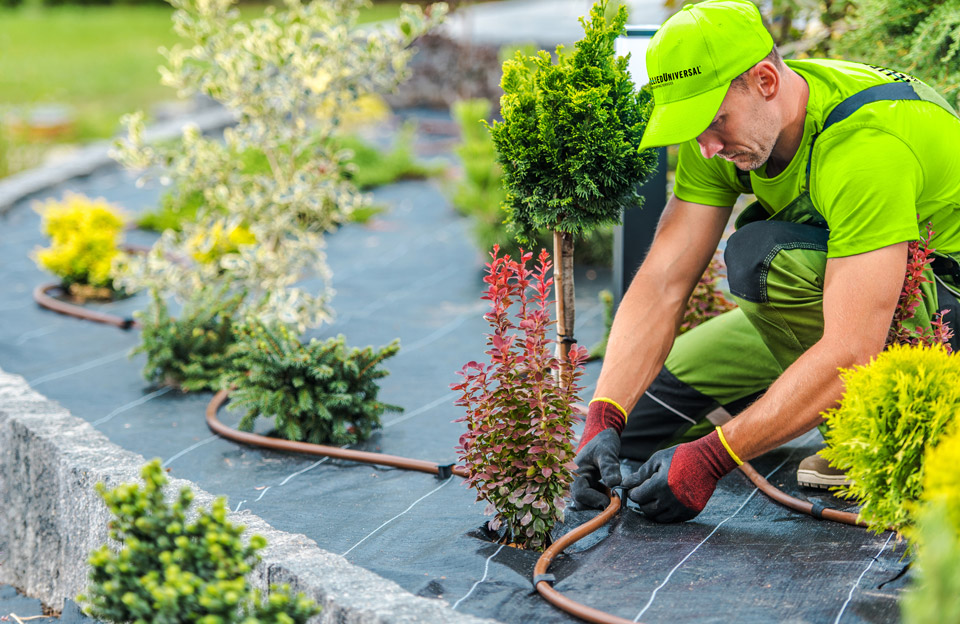
Implementing Xeriscaping in Residential Spaces
For homeowners looking to reduce their water bills while enhancing their property's curb appeal, residential xeriscaping offers an attractive solution. The first step involves evaluating your existing landscape — take note of areas that tend to hold moisture versus those that dry out quickly.
Consider removing high-water-use grass lawns or replacing them with ground covers such as clover or ornamental grasses that require less watering yet still provide visual interest throughout the year. Additionally, incorporating hardscape features like rock gardens or gravel pathways can enhance aesthetics while further reducing irrigation needs.
When planning your garden layout, group plants with similar water requirements together—this technique minimizes wasteful watering practices by allowing you to target specific zones more efficiently during irrigation sessions.
Commercial Xeriscaping Solutions
Businesses also stand to benefit from adopting xeriscape landscaping practices—especially those operating in arid regions where water costs are high or restrictions may apply due to severe drought conditions. A well-designed xeriscaped commercial property not only conserves resources but also creates an inviting atmosphere for customers and employees alike.
Incorporating native plant species into business landscapes can significantly reduce maintenance costs over time since these plants require less care than traditional ornamentals susceptible to pests or diseases requiring intervention through chemical treatments.
Additionally, businesses can leverage hardscape elements such as permeable paving stones or rain gardens designed specifically for stormwater management purposes—these features help capture runoff while replenishing groundwater supplies during heavy rainfall events instead of contributing directly back into storm sewers leading away from the site.
Working with Professional Xeriscape Designers
Partnering with a licensed landscape contractor who specializes in xeriscape services can lead you towards realizing your vision sustainably while adhering closely to local regulations regarding conservation efforts within community guidelines established by municipalities across many regions today.
A professional designer local expert xeriscape designers brings invaluable experience not only regarding plant selection but also knowledge about how best implement effective design techniques tailored specifically towards maximizing aesthetic appeal without compromising functionality concerning resource conservation goals set forth by clients themselves!
This collaboration often proves beneficial when navigating challenges unique individuals may face based upon geographic location—such as determining optimal placements given varying sun exposure levels throughout seasons impacting growth rates observed amongst different varieties selected initially during installation phase!
Benefits Beyond Water Conservation
While water conservation remains at the forefront of xeriscape landscaping’s value proposition numerous other advantages accompany its implementation worth considering:
- Reduced Maintenance: Drought-tolerant landscapes typically require less ongoing care compared with traditional gardens resulting in significant reductions associated labor costs. Enhanced Aesthetics: Thoughtfully designed xeric environments showcase diverse textures colors shapes fostering beauty throughout changing seasons attracting wildlife encouraging biodiversity! Increased Property Value: Properties featuring sustainable landscapes often command higher market values due primarily lower utility bills coupled perceived environmental responsibility buyers increasingly prioritize these factors when making purchasing decisions nowadays too! Erosion Control & Soil Health Improvements: Establishment deep-rooted native vegetation plays critical role maintaining soil stability preventing erosion promoting healthier ecosystems overall contributing positively larger shared environment beyond just individual property lines defined boundaries exist physically visible traits present therein alone…
Conclusion
Xeriscaping represents an innovative approach towards merging environmental stewardship aesthetics practicality through thoughtful application informed choices made throughout entire process from initial planning stages all way through implementation completion phases final touches added afterward ensuring long-term success achieved measured outcomes consistently evaluated monitored periodically adjusted accordingly future needs arise naturally occurring shifts experienced periods time along journey taken collectively together moving forward jointly collaboratively striving achieve shared goals promoting sustainability awareness through collective action undertaken responsibly effectively!